

A good home feels right the moment you walk in. It feels calm, balanced, and easy to live in. But most people struggle to get there. They buy nice furniture and pick decent colors yet something still feels off. The real problem isn’t taste. It’s the lack of a clear plan. That’s exactly where the home decor guide ththomedec comes in. It gives you a simple, proven system to follow from start to finish.
This guide covers everything layout, color, lighting, and layering. You don’t need a big budget or design experience. You just need the right framework. Whether you’re fixing one room or styling an entire home, these principles work. Start here and build from the ground up. The results will surprise you.
What Defines a Strong Home Decor System
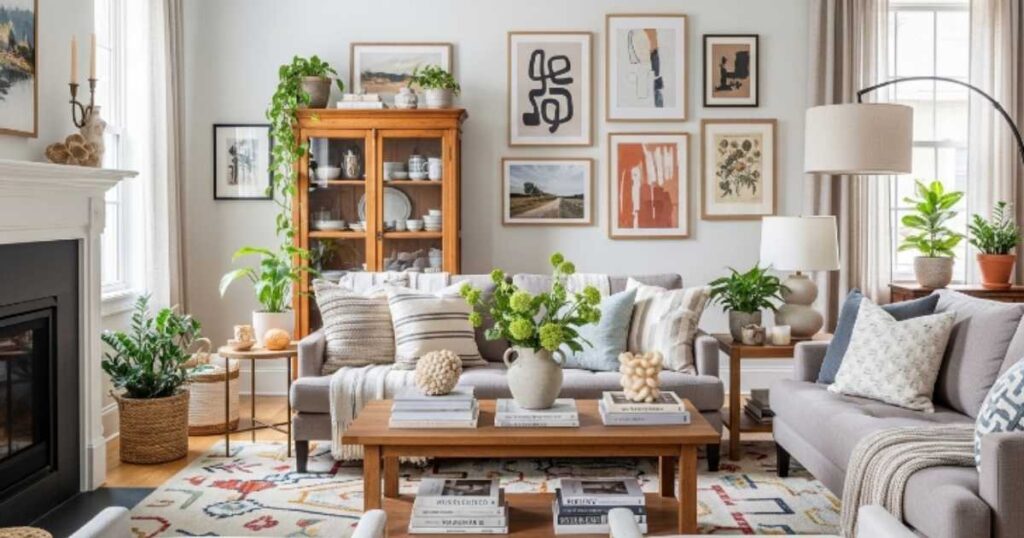
A well-designed home isn’t random. Every decision from furniture placement to lighting connects to a larger framework. The home decor guide ththomedec approach is built around three foundational pillars: space, color, and lighting. When these three elements align, even a modest interior feels polished and intentional.
Space defines how people move through a room. Color shapes the emotional tone. Lighting controls how everything else is experienced. You can’t fix a poorly lit room with expensive furniture. And you can’t save a badly arranged space with the most beautiful color palette in the world. Structure matters first.
Related Post: 25 Beige and Grey Bathroom Ideas That Feel Calm and Stylish
Understanding User Needs and Functional Design
Design that looks great but doesn’t work isn’t really great design. A living room is a space for conversation, rest, and connection not just a backdrop for photos. Good functional home design considers how people actually move, sit, and interact before anything else is decided.
For individuals, this means comfort and ease. For design teams or project planners, it means scalability and consistency. Either way, the starting point is the same: understand who uses the space and how. A room built around real behavior will always outperform one built purely around aesthetics.
Core Design Principles That Always Work
Balance and Visual Stability
Balance doesn’t mean symmetry. It means distributing visual weight so the room feels stable. A large sectional sofa can be offset with two accent chairs and a floor lamp. A bold dark accent wall gets softened by light neutral furniture in front of it. The goal is harmony not matching sets or mirrored arrangements. Once you see balance as weight rather than shape, design decisions become much clearer.
The 60-30-10 Color Structure
Color confusion is one of the most common design problems. The 60-30-10 rule solves it simply. Sixty percent of the room uses your dominant color usually walls or large furniture. Thirty percent introduces a secondary tone through upholstery or curtains. Ten percent delivers contrast through cushions, art, or accessories. This structure creates home color palette ideas that feel cohesive without being boring. It also makes shopping easier because you already know your percentages before you buy.
Focal Point Strategy
Every room needs a visual anchor. Without one, the eye wanders and the space feels restless. A focal point can be a fireplace, a statement artwork, a large window, or even a bold accent wall. Furniture and decor should be arranged to support and draw attention toward that central element. It’s the first decision you make in any space and every other layout choice flows from it.
Layout Optimization for Real-Life Use
Layout is the silent organizer of every room. It’s often the last thing people think about and the first thing that makes a space feel wrong. Furniture pushed entirely against walls creates a hollow, waiting-room feeling. Instead, pull pieces inward. Create conversation zones. Allow natural pathways to form without obstacles.
Scale matters enormously here. A king-size bed in a small bedroom kills the room. A tiny side table next to a large sofa looks like an afterthought. Measure everything before you buy anything. Furniture placement strategies that prioritize proportional relationships between pieces produce spaces that feel considered even when modestly furnished.
Layering for Depth and Comfort
A room with one type of texture always feels flat. Layered interior styling solves this by combining materials that contrast and complement each other. Think rough linen next to smooth ceramic. Warm wood beside cool metal. Each layer adds visual interest without requiring you to spend more.
The layering works across three dimensions: texture, lighting, and accessories. Texture creates variation. Lighting builds depth. Accessories inject personality. You don’t need to add all three at once. Start with texture it’s the easiest and most impactful first layer. A jute rug, a knitted throw, or a wooden tray changes the feel of a surface immediately.
Lighting Architecture and Its Impact
Most people rely on a single overhead light source. It’s the biggest lighting mistake in home design. Overhead lighting alone creates flat, harsh environments. Layered lighting techniques change this completely. Ambient light provides general illumination. Task lighting handles reading, cooking, and working. Accent lighting highlights features and builds atmosphere.
Interior lighting solutions don’t have to be expensive. A few strategically placed floor lamps and table lamps transform a room more effectively than costly overhead fixtures used alone. Dimmer switches are one of the highest-value, lowest-cost upgrades you can make anywhere in your home. The ability to shift between bright and dim instantly changes how a room feels throughout the day.
Budget Optimization Without Compromising Quality
Smart decorating isn’t about spending less it’s about spending strategically. Some changes deliver enormous visual impact at very low cost. A fresh coat of paint is the fastest room transformation available. New cabinet hardware refreshes a kitchen or bathroom for under £100. A well-placed mirror expands visual space and adds light by simply reflecting what’s already there.
Prioritize investment pieces for items you touch every day a quality sofa, a supportive mattress, a solid dining table. These are worth spending on. For decorative accessories, go affordable and swap them out as your taste evolves. This keeps your space feeling fresh without requiring full redesigns every few years.
Practical Comparison of Design Approaches
| Element | Unstructured Approach | Structured Ththomedec Approach |
| Color use | Random selection with no ratio | Balanced 60-30-10 system |
| Layout | Furniture pushed against all walls | Functional zones with clear flow |
| Lighting | Single overhead light source | Layered ambient, task, and accent |
| Accessories | Random placement, no grouping | Intentional groupings by texture and tone |
| Scale | Pieces chosen without measuring | Proportional selection based on room size |
| Outcome | Inconsistent, incomplete feeling | Cohesive, balanced, and livable space |
Advantages and Limitations of This Approach
Advantages
A structured approach to interior design delivers consistency that random decorating simply can’t match. It creates cohesive home atmospheres that feel planned and intentional. It reduces decision fatigue because the framework tells you what to do next. It scales from a single bedroom to an entire home. And it improves usability, not just appearance, making daily life genuinely more comfortable.
Limitations
No framework is perfect. This approach requires upfront time and honest planning. Some investment is needed for quality foundational pieces. Design preferences also shift over time, which means even well-executed spaces may need updates. The system supports creativity but you still need to put in the work to personalize it.
Common Mistakes That Reduce Design Quality
Many design problems are entirely avoidable. Overcrowding a room blocks movement and makes the space feel anxious. Ignoring lighting leaves a beautifully furnished room looking unfinished. Mixing styles without intention creates visual noise rather than personality. Prioritizing looks over function means a beautiful sofa that’s uncomfortable gets resented within a week. Buying without measuring is the fastest route to buyer’s remorse in home decor.
The home decor guide ththomedec method sidesteps most of these by making structure not aesthetics the starting point of every decision.
Implementation for Technical Teams and Individuals
For individuals, the best starting point is always one room. Don’t try to redesign your entire home at once. Choose the space you spend the most time in. Work through layout first, then color, then lighting. Add layers gradually. This builds confidence and keeps costs manageable.
For technical teams and design professionals, the value lies in repeatability. Standardized design frameworks produce consistent results across multiple spaces and projects. Applying the same structural logic focal point, zone-based layout, layered lighting to every project reduces planning time and minimizes costly mistakes. The home decor guide ththomedec system scales naturally to large-scale implementation without losing its core principles.
Future Trends That Align with This Approach
The direction of modern interior design is moving toward sustainability, natural aesthetics, and long-term functionality. Multi-functional furniture is growing in demand as homes get smaller and people want more from less. Natural materials like rattan, linen, stone, and unfinished wood are replacing synthetic alternatives. Neutral grounded palettes are outlasting the bold trend-driven color moments of previous years.
Smart lighting and sustainable home styling practices are also becoming standard expectations rather than premium upgrades. All of these shifts align naturally with the home decor guide ththomedec framework because the framework was never built around trends. It’s built around principles that work regardless of what’s fashionable this season.
Conclusion
A home that feels right doesn’t happen by accident. It’s the result of clear decisions made in the right order space first, then color, then light, then layers. The home decor guide ththomedec method gives you that order. It removes guesswork and replaces it with a framework that works at every budget level and every room size.
Start with one space. Apply the principles one step at a time. Keep pathways clear, furniture proportional, and lighting layered. Once the structure is in place, everything else the accessories, the personality, the finishing touches falls naturally into line. That’s not just good design. That’s a home that works.

